
Meet the Nominees & Vote on your favourite – Dam Removal Award 2024

The Dam Removal Award 2024 celebrates the most innovative and inspiring river barrier removal projects across Europe — and now it’s your turn to help choose the winner!
Coordinated by Wetlands International Europe on behalf of Dam Removal Europe, and supported by the European Investment Bank, McMillen, and EKOenergy, this award recognises the dedication of barrier removal practitioners, river users, communities, and authorities who work to restore free-flowing rivers.
This year’s edition highlights the most outstanding dam removal projects completed in 2024. These efforts, often led by civil society coalitions, are not only transforming rivers but also inspiring a growing movement for ecological restoration across the continent.
The winning project will receive €20,000 to support their next dam removal initiative — a boost to keep the momentum going and rivers flowing freely.
📅 Key Dates
- Public voting is open until: September 14, 2025, at 23:59 CET
- Winner announced at: A special event in Luxembourg this October.
Explore the Nominees and Vote Now
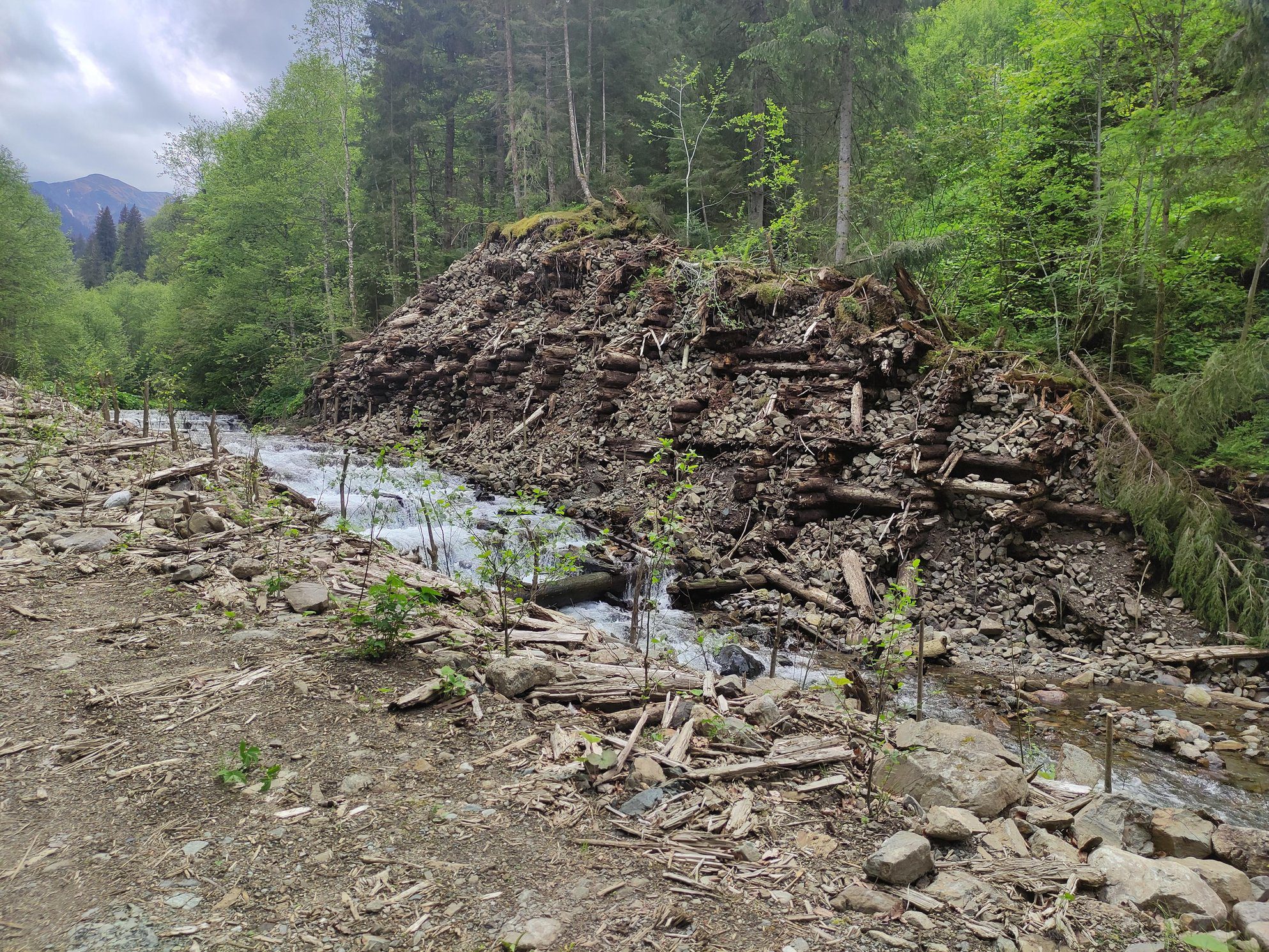
Three dam removals in Ukraine amidst wartime
The Upper Tisza catchment in Ukraine lies within the Carpathian Biosphere Reserve, a region recognized for its exceptional ecological value and home to UNESCO-listed Virgin Beech Forests. The Tisza is one of the main tributaries of the Danube River and crosses four country boundaries, playing a crucial role in transboundary water management and ecological connectivity across Central and Eastern Europe.
Three century-old dams on the Kvasnyi, Bilyi, and Bohdan Rivers were removed —restoring over 200 km of free-flowing rivers. This groundbreaking project, carried out during wartime, demonstrates that nature restoration is possible even in conflict zones – a powerful symbol of hope, sovereignty, and long-term environmental vision for Ukraine.
Led by the Carpathian Biosphere Reserve, in partnership with the Danube-Carpathian Programme, Vorokhta Enterprise, and the active participation and democratic support of local communities and councils, the project reconnected vital habitats, reduced flood risks, and revived biodiversity. It supported the migration of nine IUCN-listed fish species, restored access to mineral springs and grazing lands, and saved communities an estimated €6000 annually in road repairs.
Strong local engagement helped counter misinformation and build trust, turning initial resistance into overwhelming support—85% of the community council voted in favor. The project also developed a Ukrainian-language toolkit to guide future dam removals, laying the groundwork for a national strategy on river restoration and empowering local actors to replicate success.
Ukraine’s dam removal project demonstrates extraordinary commitment to river restoration—making it a powerful and deserving nominee.

Bringing Life Back – Removal of Püssi Dam, Estonia
The Purtse River, located in northeastern Estonia, flows through Ida-Viru and Lääne-Viru counties before reaching the Gulf of Finland. Once one of Estonia’s most polluted rivers due to decades of industrial activity, it has undergone a remarkable transformation. The river is part of a historically rich and ecologically valuable catchment, supporting biodiversity and local livelihoods.
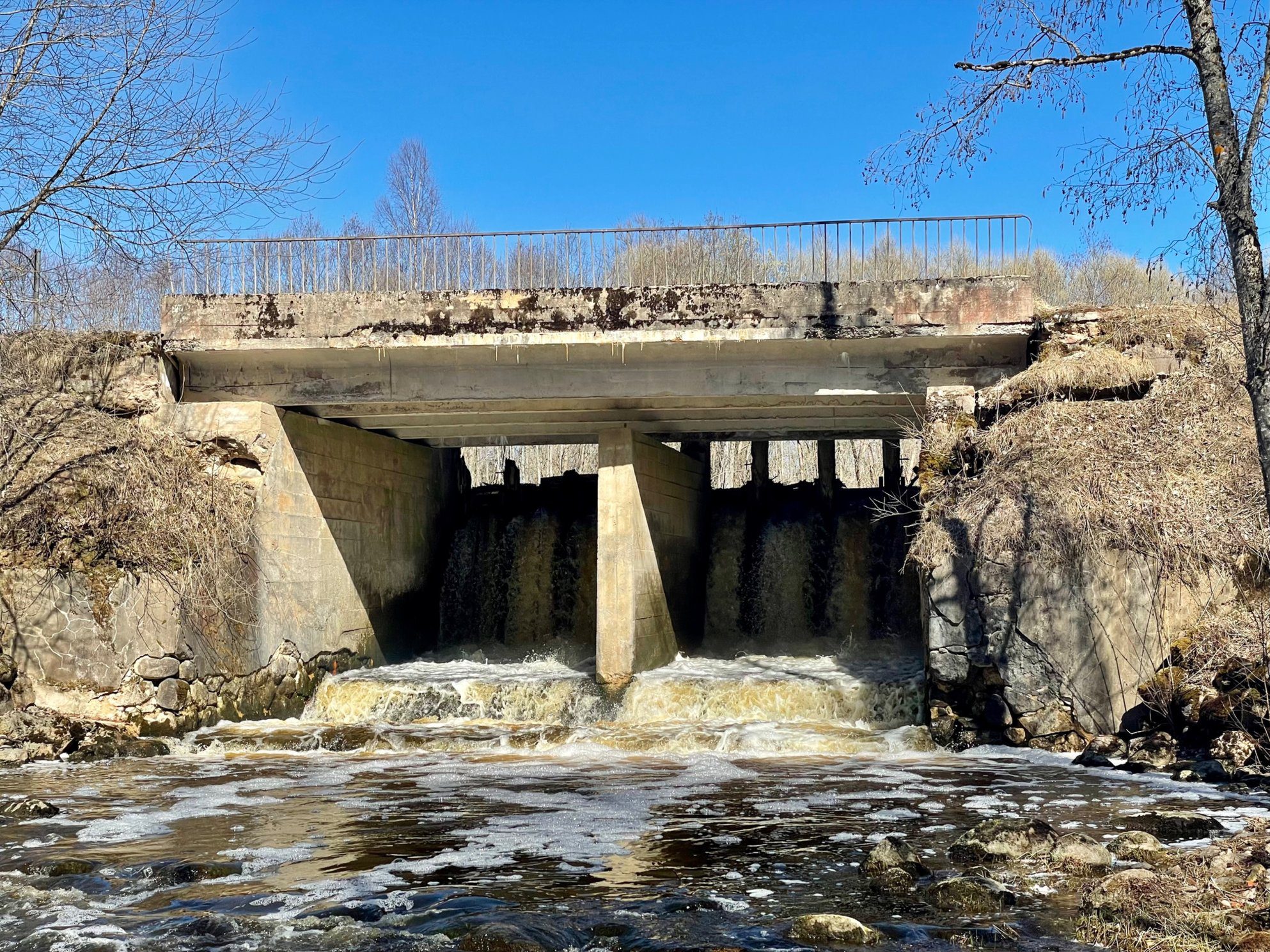
In summer 2024, the removal of the Püssi Dam reconnected over 35 kilometers of river and tributaries, restoring migration routes for salmon, sea trout, lamprey, and other species, and reestablishing the Purtse River’s connection to the Baltic Sea. A 145-meter nature-like fishway was constructed to support the movement of over 2,400 juvenile fish annually. At the same time, the bridge above the dam was reconstructed, ensuring safe and continued access for the local community.
The €450,000 project was funded by the LIFE IP CleanEST programme and the Estonian state, and led by a strong partnership between the Ministry of Climate, Environmental Agency, AS Kobras, AS Repo Vabrikud, Lüganuse Municipality, and contractors Inseneriehitus AS and Keskkonnaprojekt OÜ. A public engagement event in September 2024 brought together over 70 residents, local officials, and the Minister of Infrastructure, fostering transparency and trust.
The project supports Estonia’s River Basin Management Plan and EU Water Framework Directive goals. Future plans include additional dam removals and habitat restoration in Ida- and Lääne-Virumaa to further strengthen ecological connectivity.
The nomination for the Dam Removal Award highlights the project’s replicability and its role in advancing river restoration across Estonia.


Removal of the Beja water mill dam – Latvia
The Alūksne River, also known as the Beja River, is a small, fast-flowing watercourse in northeastern Latvia from Lake Alūksne to the Pededze River, forming part of the Daugava River Basin. It’s a vital habitat for endangered species like brown trout, grayling, and European brook lamprey.
The removal of the old water mill on the Beja River marked Latvia’s first-ever barrier removal, restoring over 40 kilometers of river and tributaries. This reconnected habitats long blocked to migratory species, allowing access to upstream spawning grounds and boosting biodiversity.
The project’s significance was not only ecological but also institutional and social. With no legal framework for dam removal, the team had to navigate a complex permitting process. The dam’s deteriorated condition and lack of economic utility helped to secure early approval. Initial outreach efforts encountered resistance from local stakeholders, due to miscommunication and a lack of trust. The team adapted by shifting from persuasion to listening, building trust even with the project’s strongest critics.
Funded by the Open Rivers Programme and supported by Mangaļi water company, the removal unfolded in two phases: first, lowering water levels naturally, then dismantling the cement barrier while reinforcing a nearby bridge. The river responded —sediment flushed, vegetation returned, and coldwater species regained access to critical habitats.
Beja’s success catalyzed systemic change, inspiring legal reforms, prioritizing obsolete dams nationwide, and helping secure €2 million in government funding for future removals.

We know, it’s hard to pick one from these amazing projects, but we count on you to help us decide.
Public voting is open until September 14, 2025, at 23:59 CET
Winner announced at: A special event in Luxembourg this October.
More Dam Removal news?
Join the discussion One Comment